


Quick Summary: Cold plunges speed short-term recovery after endurance work or matches, with 10-15 minutes at 11-15°C best for soreness, but they may blunt muscle growth if used right after strength training. Start at 12-15°C for 2-3 minutes, enter slowly, keep head above water, and never plunge alone. Stop for dizziness, numbness, or chest pain, and skip plunging if you have heart conditions. Track next-day soreness and energy, not just the cold rush.
After padel in Dubai or a hard strength session, a cold plunge can feel like instant relief. The real question is whether it speeds muscle recovery or only dulls soreness. This guide separates the evidence from the hype. You will learn the best cold plunge timing, temperature, and duration, plus when a cold plunge may clash with strength and muscle-building goals. The advice reflects current recovery research and practical home use.
Step 1: Match the Cold Plunge to Your Recovery Goal
Use It When the Next Session Matters
Use a cold plunge after hard endurance work, a match, or a demanding day when you need to perform again soon. A 2025 review found that 10-15 minutes at 11-15°C best reduced soreness, while colder water supported jump recovery. See the findings
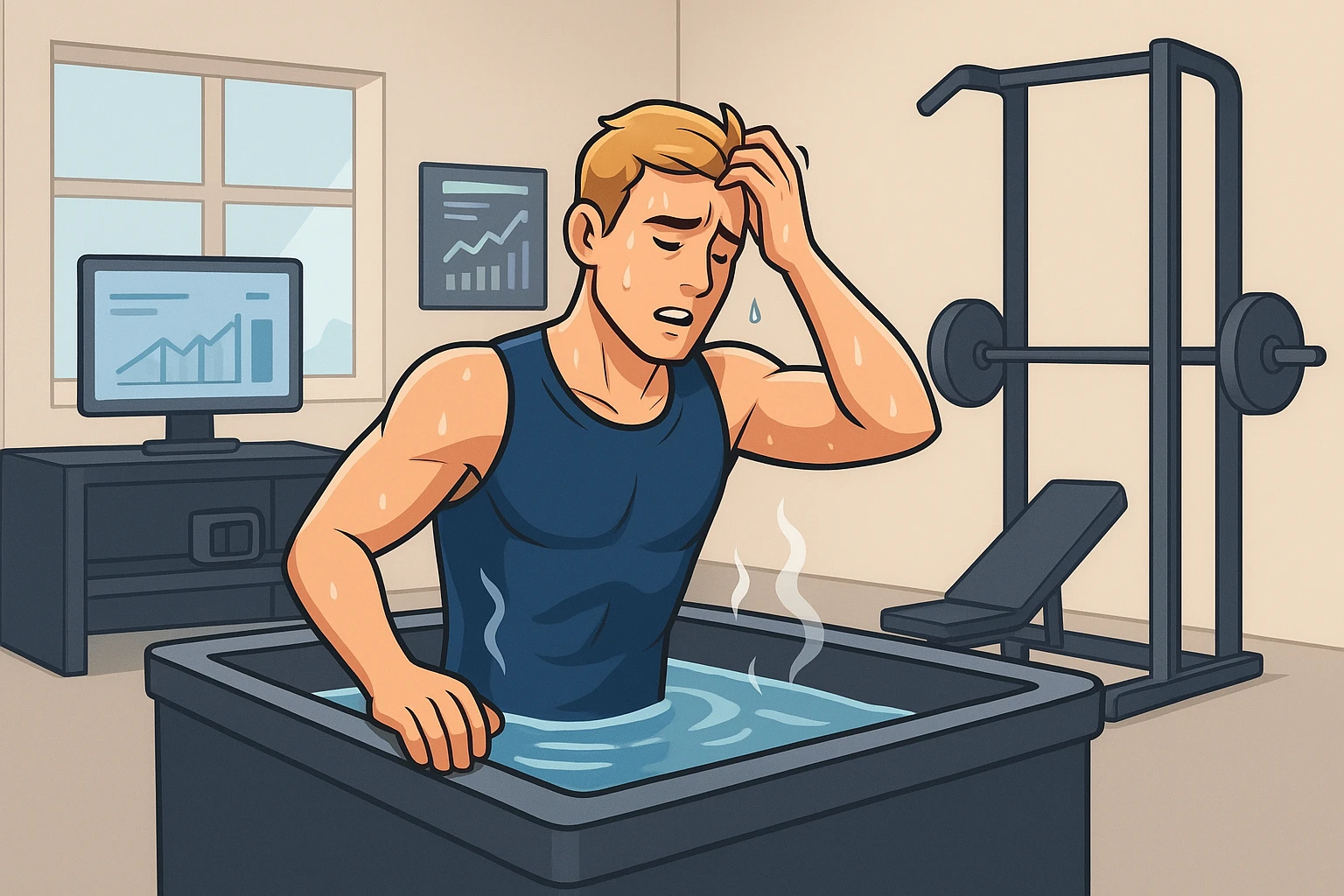
- Choose it for short-term readiness.
- Skip it when rest time is generous.
Do Not Confuse Comfort With Adaptation
Feeling less sore does not always mean better training gains. Regular immediate plunges after lifting may reduce muscle growth, according to a systematic review.
Save cold exposure after strength sessions for occasions when tomorrow’s performance matters more than building muscle.
Also Read: https://canadianspauae.com/tag/guide/
Step 2: Choose a Conservative Temperature and Duration
A Practical Starting Range
Start at 12-15°C for 2-3 minutes, not an extreme ice bath. A 2025 review found this moderate range helped reduce post-exercise soreness in studies using 10-15 minute protocols, but home users should build tolerance slowly. The review also found that dose matters.
| Experience | Temperature | First session |
|---|---|---|
| New to plunging | 12-15°C | 2 minutes |
| Comfortable user | 10-12°C | 3-5 minutes |
Stop if you feel dizzy, numb, or cannot control your breathing.
How Immersion Changes the Dose
Water up to your waist gives a lower dose than chest-deep immersion. Keep hands and head out at first. Lower water temperature, deeper immersion, and longer time all raise stress.
- Set the water temperature.
- Use a timer.
- Exit while you still feel in control.
Also Read: https://canadianspauae.com/news/
Step 3: Use the Cold Plunge Immediately, Then Rewarm Gradually
Follow a Controlled Entry and Exit
Enter soon after endurance training, but step in slowly. Keep your head and neck above water. Control your breath before going deeper, then exit carefully if you feel dizzy, numb, or panicked. Cold water can trigger gasping and raise heart rate, so stay within easy reach of the edge and never plunge alone, as safety guidance warns.
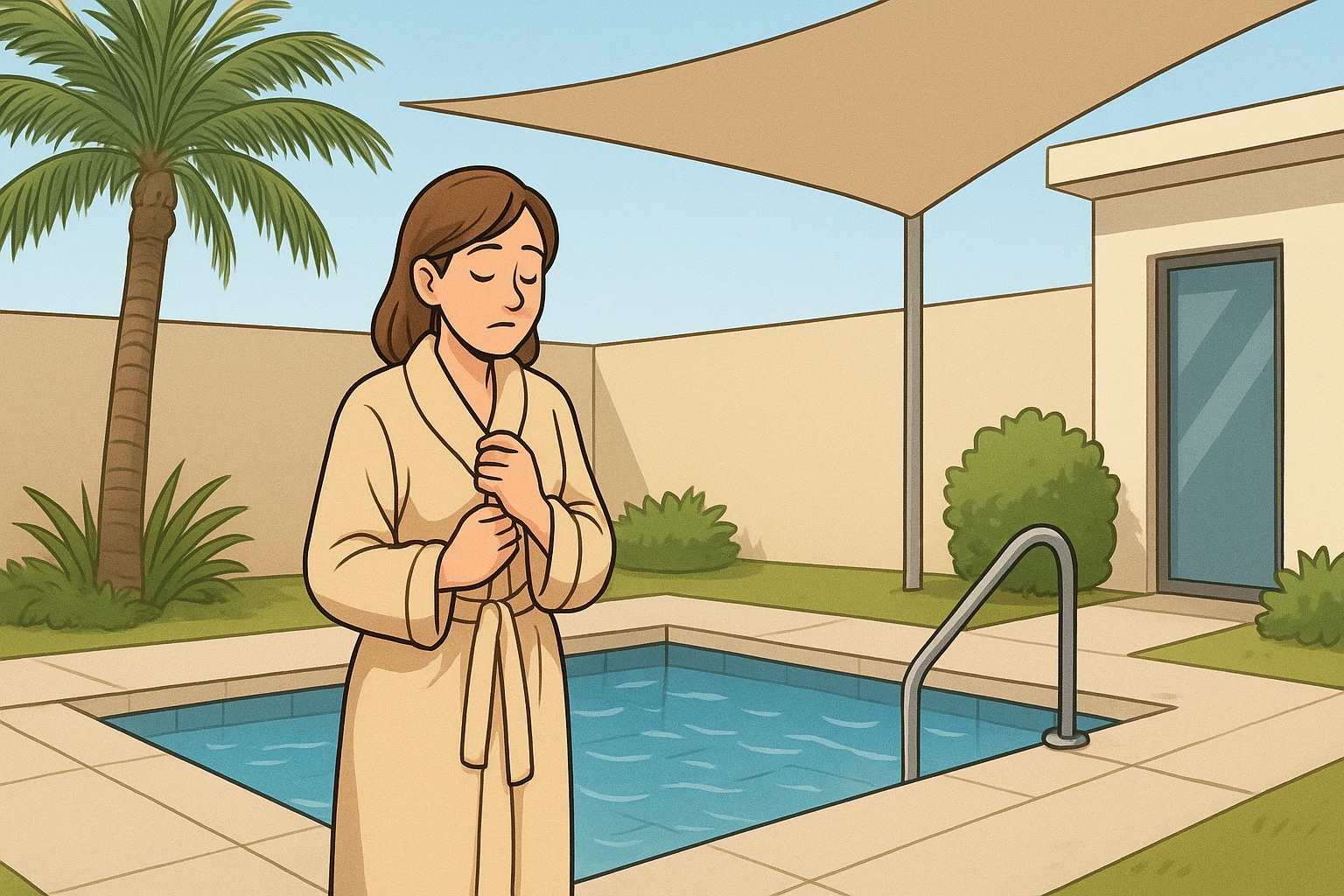
Dry off, dress warmly, and walk gently. Skip a very hot shower right away.
Track the Outcome, Not Just the Sensation
Log soreness, sleep, and next-day training quality. A sharp rush is not proof of recovery. Stop and seek medical advice for chest pain, faintness, or ongoing shivering.
| Check | Good sign |
|---|---|
| Next morning | Less soreness, normal energy |
Step 4: Apply the Safety Rules for a Home Cold Plunge
Screen for Contraindications
Speak with your doctor before plunging if you have heart disease, high blood pressure, an irregular heartbeat, Raynaud’s, poor circulation, asthma, or take heart or blood pressure drugs. Cold water can rapidly raise breathing, heart rate, and blood pressure, as Harvard Health cautions.
Stop at once for chest pain, dizziness, panic, numbness, or breathing that will not settle.
Make the Environment Safer
- Never plunge alone. Keep your phone nearby and the lid or exit clear.
- Use a thermometer, enter slowly, and keep your head above water.
- Place dry towels, warm clothes, and non-slip mats within reach.
- Exit promptly, dry off, and warm up. The CDC notes cold water speeds heat loss.
Build a safer recovery ritual at home with Canadian Spa wellness solutions, designed for consistent cold-water sessions and premium everyday care.
Frequently Asked Questions
Q1: How do cold plunges speed up muscle recovery after workouts?
Cold water may ease soreness and reduce swelling after hard training. Use it after endurance work or matches, not straight after strength sessions.
Q2: What are the mental health benefits of cold water immersion?
Many people feel calmer and more alert afterward. It can build stress tolerance, but it is not a treatment for anxiety or depression.
Q3: How long and cold should a beginner’s cold plunge be?
Start at 15-20°C for 30-60 seconds. Build slowly, breathe steadily, and stop if you feel dizzy, numb, or unwell.
Conclusion
Use cold plunges for short-term relief and tight recovery windows. Keep sessions controlled and safe. Avoid routine post-lifting plunges if muscle growth is your goal, as current review evidence suggests they may limit gains.