


Quick Summary: Hydrotherapy wins for repeatable daily relief from stress, poor sleep and chronic pain, with warm-water sessions lasting 15 to 30 minutes and potentially lowering blood pressure and cortisol. Traditional spa therapy remains better for targeted muscle tension, skin renewal and deep sensory relaxation because a therapist can work on specific problem areas. For UAE homes, combining nightly home hydrotherapy from brands such as Canadian Spa with occasional spa treatments offers the best balance, though people with heart conditions or who are pregnant should seek medical advice first.
Hydrotherapy wellness wins on measurable markers like blood pressure, cortisol and sleep, while traditional spa therapy offers sharper manual precision and skin renewal. Most UAE buyers get marketing copy instead of evidence, so this comparison reviews the clinical research, then maps each finding to home hot tubs, swim spas and spa treatments across the Emirates.
Hydrotherapy Wellness vs Traditional Spa Therapy: At a Glance
| Hydrotherapy wellness | Traditional spa therapy | |
|---|---|---|
| Core mechanism | Thermal load, buoyancy and hydrostatic pressure | Manual pressure, topical actives, thermal wrapping |
| Evidence for stress and recovery | Reduces blood pressure and cortisol, improves sleep | Reduces perceived tension and pain, strong sensory calming |
| Best suited to | Recovery, circulation, chronic pain, stress | Targeted muscular tension, skin renewal, event treatments |
| Session and access | 15-30 minutes, repeatable at home | 60-90 minutes, requires a therapist and venue |
| Key limitations | Heat and cardiac contraindications, no manual precision work | Time-bound, costly per session, no lasting daily effect |
How Hydrotherapy Wellness and Traditional Spa Therapy Differ
Hydrotherapy wellness
Hydrotherapy uses warm-water immersion, buoyancy and hydrostatic pressure to support circulation, calm the nervous system and ease chronic pain. It suits recovery-focused users who want repeatable relief at home, in sessions of 15-30 minutes. Brands like Canadian Spa build swim spas and hot tubs around exactly this daily-use model.
Key strengths
- Lowers cortisol and blood pressure, improves sleep
- Repeatable at home without a therapist
- Suits stress relief, circulation and chronic pain management
Traditional spa therapy
Traditional spa therapy covers hands-on treatments such as massage, exfoliation and thermal wrapping. It targets specific muscular tension and skin renewal, and delivers strong sensory calming, but it depends on a therapist, a venue and 60-90 minute sessions. That makes it ideal for occasional, targeted treatments rather than daily recovery.
Key strengths
- Manual precision on tight, specific muscles
- Visible skin renewal and deep sensory relaxation
- Well suited to events and one-off luxury treatments
Is Hydrotherapy Better Than Traditional Spa Therapy?
Neither wins outright; each suits different goals. Hydrotherapy delivers repeatable, at-home relief through warm water, jets and buoyancy, while traditional spa therapy offers hands-on, targeted treatment. For daily recovery, hydrotherapy usually comes out ahead. For deep muscle work, a therapist still leads.
The Evidence Behind Water-Based Recovery
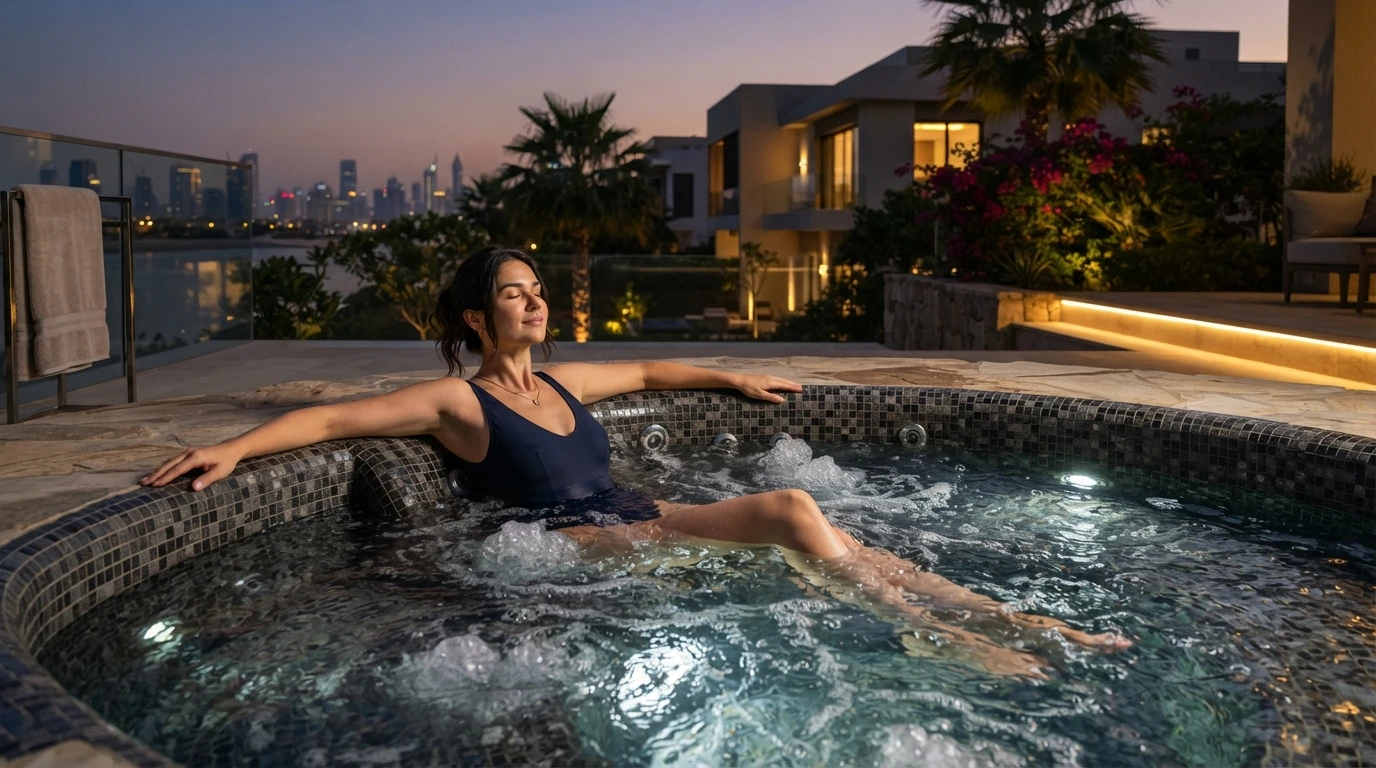
Research shows warm water immersion lowers blood pressure and eases joint stress, so it helps chronic pain and sleep. Balneotherapy studies back this up. That repeatability, 15-30 minutes any evening, is why many UAE homeowners choose hydrotherapy at home.
Where Manual Therapy Still Leads
A skilled therapist reads your body and works specific knots, which jets cannot match. If you carry tension in one shoulder or need skin renewal, massage and facials deliver. Stress relief also benefits from the calm, quiet treatment room experience.
Physiological Outcomes Side by Side
Warm immersion and hands-on massage calm the body in different ways. Here is what each actually does.
Circulation, Cardiovascular Markers and Sleep
Warm water immersion widens blood vessels, so it lowers blood pressure and improves blood vessel function, as a review of water immersion research confirms. Buoyancy eases the heart’s workload. Repeated evening soaks support deeper sleep; massage relaxes briefly, then benefits fade until the next session.

Musculoskeletal Pain and Tension
For chronic pain management, heat plus hydrostatic pressure loosens stiff joints and sore muscles across the whole body. Massage targets knots a therapist can feel, so it works better on tight shoulders or a stubborn neck. A home hot tub offers that full-body relief nightly, in the same 15-30 minute sessions.
Choosing Between Them in the UAE Home and Resort Context
Which wins on cost over time? A home hot tub, for most UAE households: one installation price against repeat per-session fees, since 15-30 minute sessions cost nothing extra once installed.
Home Hydrotherapy: Repeatability, Privacy and Running Costs
Daily use builds cumulative relief for sleep, stress and chronic pain, with no booking required. Running costs are manageable even through UAE summers, and a villa spa installation makes the setup straightforward.
Spa Clinic Therapy: Practitioner Skill and Treatment Scope
A therapist targets specific muscle groups and adds scrubs, wraps and skilled hands-on work a jet cannot match. That depth justifies occasional visits, so many homeowners combine both.
Which Should You Choose: Hydrotherapy Wellness or Traditional Spa Therapy?
When Hydrotherapy Wins
Hydrotherapy wins for repeatable relief. Warm water, buoyancy and jets ease aching muscles and improve sleep in 15-30 minute sessions you can enjoy nightly at home.
When Traditional Spa Therapy Wins
Traditional therapy wins for skilled, hands-on work. A therapist targets specific knots, refines skin and delivers deep sensory calm that water alone cannot match.
The Combined Approach and Safety Notes
Use both: hydrotherapy for daily recovery, occasional treatments for skin and tension. If pregnant or managing heart conditions, ask your doctor first; keep sessions moderate. For home setups suited to the UAE climate, see our year-round hot tub comfort guide.
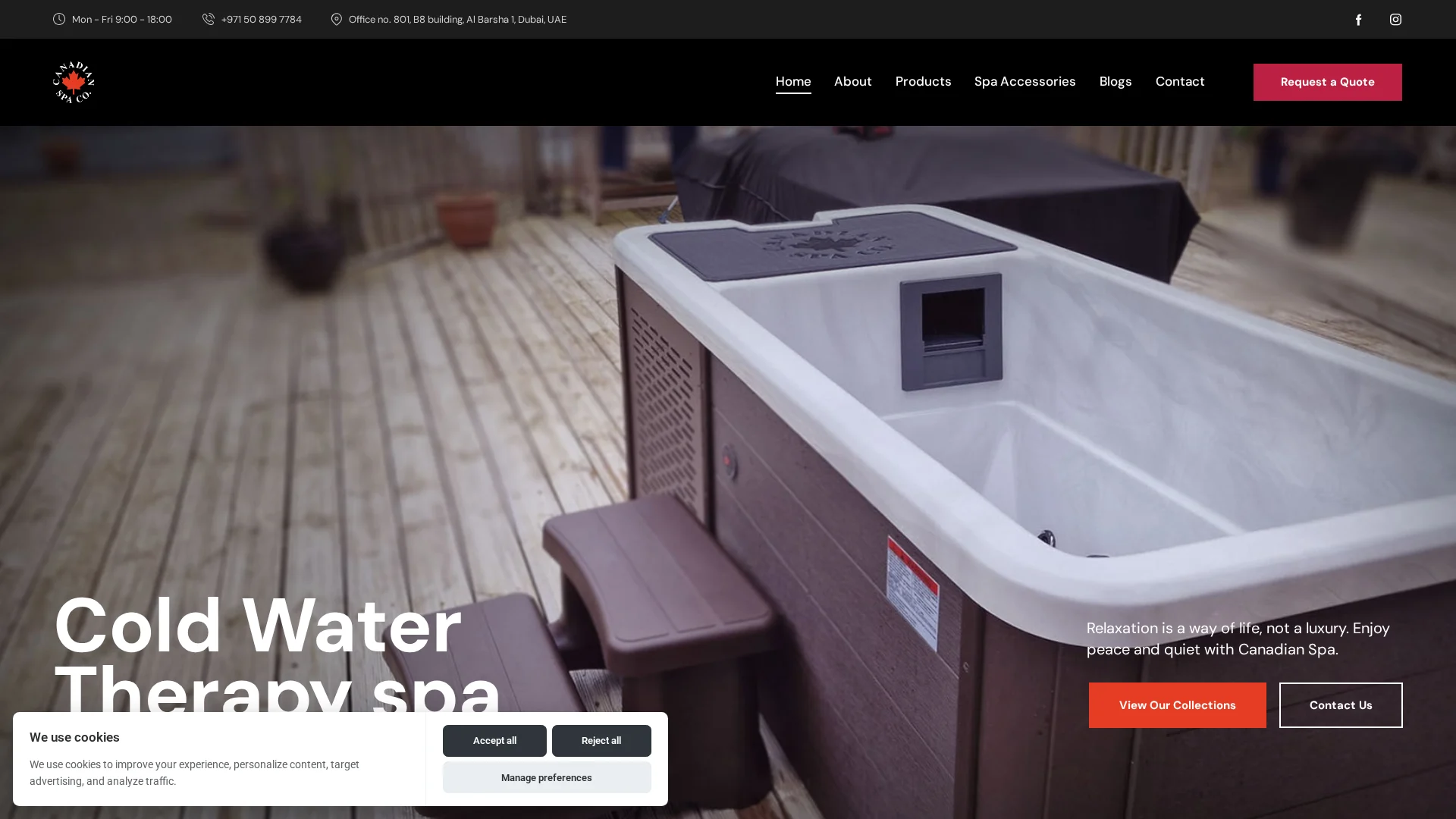
Ready to enjoy hydrotherapy at home? Explore luxury hot tubs and swim spas at Canadian Spa and bring nightly relief to your UAE home.
Frequently Asked Questions
Q1: Is hydrotherapy better than traditional spa therapy?
For repeatable daily relief, usually yes; for targeted muscle work, therapists still lead.
Q2: What is the difference between hydrotherapy and a regular spa treatment?
Hydrotherapy uses warm water, buoyancy and pressure at home; spa treatments need a therapist.
Q3: Which is more effective for stress relief: hydrotherapy or massage?
Both lower stress, but nightly hydrotherapy builds cumulative benefits massage sessions can’t match.
Conclusion
Hydrotherapy wins on repeatable daily relief for stress, sleep and chronic pain; traditional spa therapy wins on targeted, hands-on muscle work. For most UAE homes, combining nightly soaks with occasional treatments delivers the best of both.

